

Overview
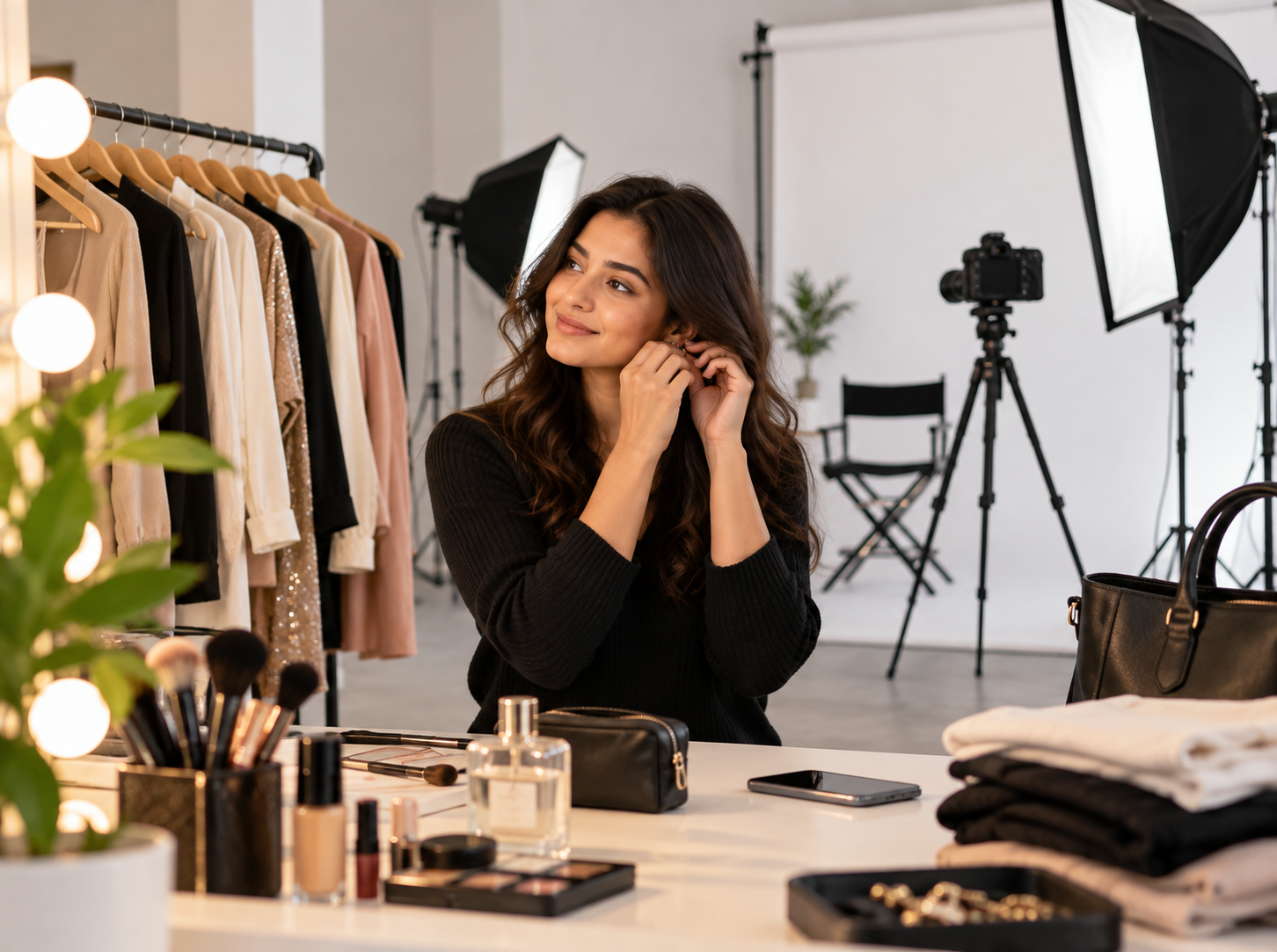
A studio photography session can be an exciting experience, but good photographs do not begin when you step in front of the camera. Preparation plays an important role in helping you feel comfortable, choose suitable outfits, and communicate your ideas clearly.
Whether you are planning a personal portrait, family session, professional headshot, fashion shoot, maternity session, or brand photography, a little preparation can make the entire experience smoother.
With the guidance of Vivek Samaiya, clients can focus on feeling natural while the photographer works on lighting, composition, posing, and expressions.
This guide explains how to prepare for a studio session and what you can do before arriving at the studio.
1. Know What You Want From Your Studio Session
Before your photography session, think about the purpose of the photographs. Your preparation will be different for a corporate headshot, family portrait, fashion portfolio, maternity shoot, or personal branding session.
Ask yourself:
- Where will I use these photographs?
- What type of mood do I want?
- Do I prefer natural, elegant, traditional, or modern photographs?
- Are there any specific poses or photographs I want?
- Do I need different looks during the session?
You can also collect a few visual references. These do not need to be copied exactly. They simply help you explain your preferred style, poses, lighting, or composition to the photographer. Planning the important shots beforehand can make the session more organised.
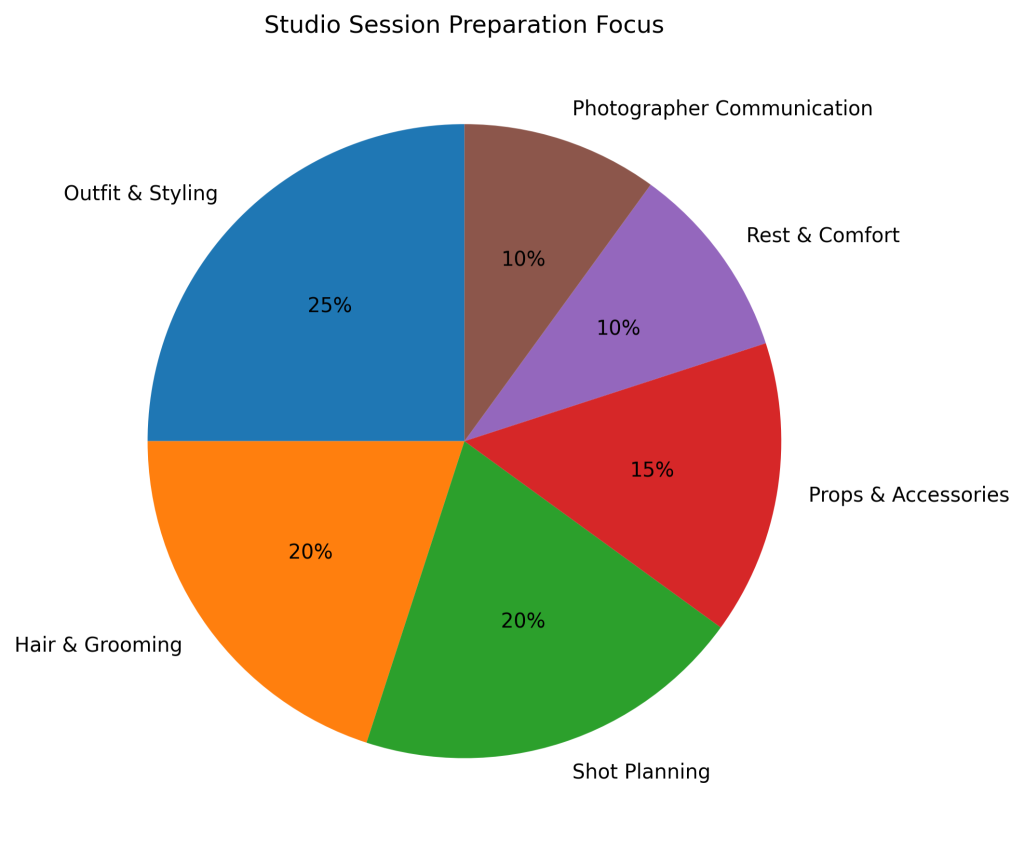
2. Choose Your Outfits Carefully
Your outfit can change the entire appearance of a photograph. Choose clothes that fit well and make you feel comfortable. Avoid selecting something simply because it looks fashionable if you do not feel confident wearing it.
For an Indian studio session, you can consider a mixture of modern and traditional outfits. Sarees, kurtas, shirts, dresses, blazers, and simple casual clothing can all work depending on the purpose of the shoot.
If you are planning multiple looks, keep them ready in advance. Iron your clothes and check them for loose threads, stains, missing buttons, or visible tags. For family photographs, coordinated colours usually look better than everyone wearing exactly the same outfit.
Try to bring accessories that complement your outfit rather than overpowering it.
3. Prepare Your Hair, Skin and Makeup
You do not need to completely change your appearance for a studio session. The goal is to look like yourself while feeling confident.
Plan your hairstyle before the shoot. If you are getting a haircut, avoid trying a completely new style immediately before the session. Bring a comb, hairbrush, lipstick, compact, or other small touch-up products if you normally use them.
For makeup, choose a look that matches the purpose of your photographs. A professional headshot may need a simple and clean appearance, while a fashion or creative shoot may require a stronger look.
It is also helpful to maintain your normal skincare routine before the session rather than experimenting with unfamiliar products at the last minute. Planning hair, makeup, and personal care ahead of time is a commonly recommended studio-preparation step.
4. Take Care of Yourself Before the Shoot
Feeling tired or rushed can make it harder to relax in front of the camera. Give yourself enough time to get ready and reach the studio without unnecessary stress.
Have a normal meal before your session if the shoot is expected to take some time. Keep yourself hydrated, especially if you are changing outfits or working under studio lights. Getting enough rest can also help you feel more energetic and comfortable.
Avoid arriving at the last minute. Give yourself extra travel time so traffic, parking, or unexpected delays do not affect your mood.
Most importantly, do not worry about being a professional model. A good photographer can guide you through poses and expressions. Studio photography is a collaboration between the photographer and the person in front of the camera.
5. Bring Useful Props and Personal Items
A studio can provide a clean and controlled environment, but personal items can make your photographs more meaningful.
For a professional branding session, you might bring a laptop, notebook, camera, product, book, or another item related to your work. For a family session, a favourite toy or meaningful object can create a personal touch.
Props should support the story of the photograph rather than become the main focus. Select only a few useful items and discuss them with your photographer beforehand.
If you are doing multiple outfits, organise everything in separate bags or sections. Keep accessories together so you do not waste valuable studio time searching for them.
6. Discuss Your Ideas With Vivek Samaiya
One of the most useful things you can do before a studio session is communicate with your photographer.
Share your expectations with Vivek Samaiya before the shoot. Tell him whether you prefer relaxed portraits, formal photographs, creative poses, traditional looks, or something completely different.
If you feel uncomfortable posing, say so. You do not need to know how to pose before entering the studio. Clear direction and encouragement can help people become more comfortable in front of the camera.
During the session, stay open to suggestions. A pose that feels unusual at first may look very natural in the final photograph.
The best photographs often happen when you stop worrying about the camera and concentrate on the moment.
7. Relax and Let the Photographer Guide You
Being photographed can feel uncomfortable, especially if it is your first professional studio session. You may wonder where to put your hands, how to stand, or what expression to make.
That is completely normal.
Take a breath, listen to the photographer’s instructions, and allow yourself time to settle into the session. Professional photographers often guide clients through positioning, expressions, and small adjustments rather than expecting them to know everything themselves.
Instead of trying to look perfect in every photograph, focus on looking natural. Small movements, genuine smiles, and relaxed expressions can create photographs that feel more personal.
With the right preparation and a comfortable studio environment, your session can become an enjoyable experience rather than something stressful.
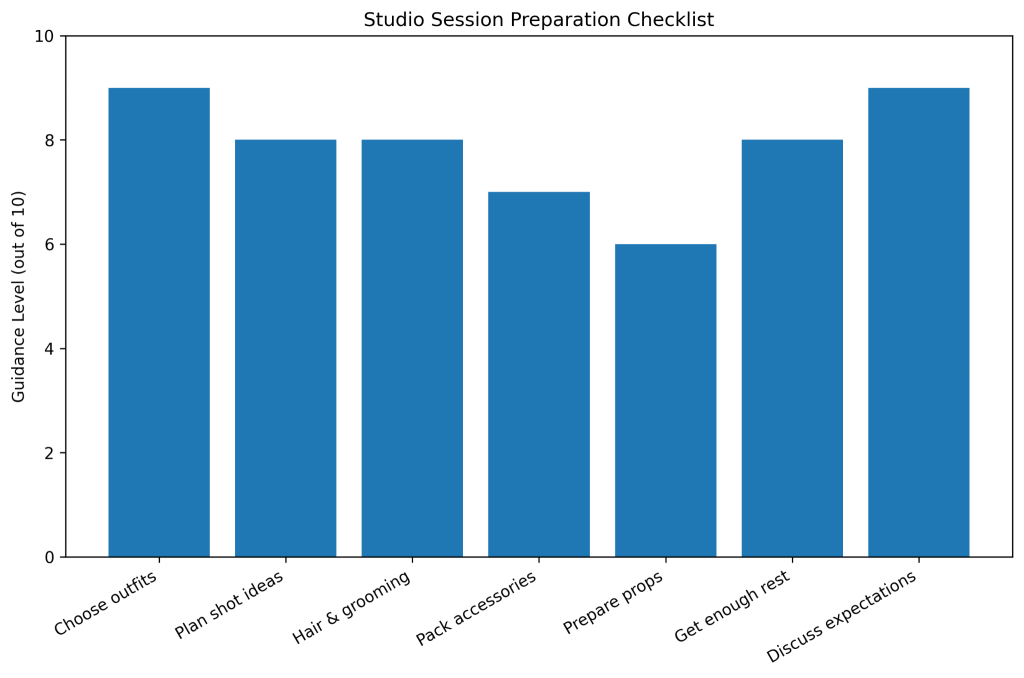
8. Quick Studio Session Checklist
Before leaving for your session, use this simple checklist:
- Confirm the studio location and timing.
- Keep your outfits clean and ironed.
- Carry backup outfit options if required.
- Pack accessories separately.
- Carry basic hair and makeup touch-up items.
- Bring planned props.
- Keep your phone and other personal items organised.
- Eat normally and stay hydrated.
- Reach with enough time.
- Share your preferred photography style with the photographer.
- Most importantly, stay relaxed.
Good preparation does not mean planning every second of the shoot. It simply removes avoidable problems so you can concentrate on enjoying the experience.
Why Choose a Professional Photographer for Your Studio Session?
A studio photograph involves much more than simply pressing the camera shutter. Lighting, camera settings, composition, posing, expressions, background, and final editing all influence the result.
Working with a professional photographer in Indore can be especially helpful when you want photographs for your portfolio, business profile, social media, family memories, personal branding, or special occasions.
Vivek Samaiya focuses on creating photographs that feel natural while giving attention to the technical details behind each image. If you are searching for the best photographer in Indore or best photography services in Indore, preparing properly and communicating your expectations can help you get more from your studio session.
Frequently Asked Questions
1. What should I wear for a studio photography session?
Choose comfortable, well-fitted clothes that match the purpose of your session. You can carry two or more outfits if the photographer has planned enough time for changes.
2. Should I bring more than one outfit?
Yes. Multiple outfits can provide variety, especially for personal branding, fashion, portfolio, and portrait sessions.
3. Do I need professional makeup?
Not always. It depends on the type of photographs you want. Simple grooming may be enough for some sessions, while fashion or creative photography may benefit from professional makeup.
4. What if I don’t know how to pose?
That is perfectly fine. A professional photographer can guide you through poses, body positioning, and expressions during the session.
5. Can I bring props to a studio session?
Yes. Personal or work-related props can add meaning to your photographs. Discuss them with your photographer beforehand.
6. How early should I reach the studio?
Arrive with enough time to settle down, change if needed, and prepare without rushing. Extra travel time is useful because traffic and parking can cause unexpected delays.
7. How can I look natural in studio photographs?
Relax, breathe normally, and follow the photographer’s direction. Instead of trying to force an expression, focus on feeling comfortable and confident.
8. Who can help me with a professional studio photography session in Indore?
Vivek Samaiya can help guide clients through a professional photography session, from posing and lighting to creating photographs suited to their requirements.