

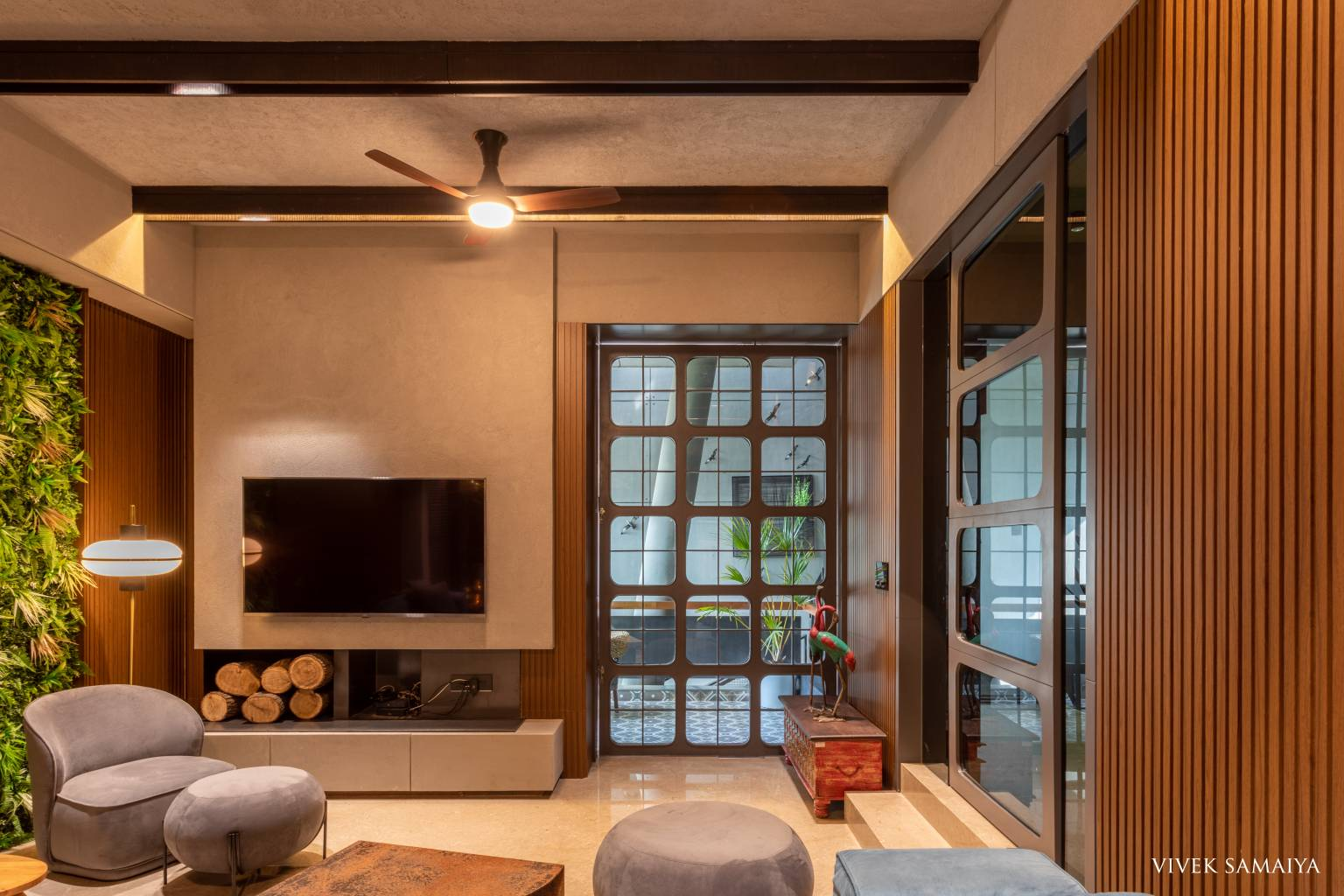
Preparing your home before an interior photoshoot helps create cleaner, brighter, and more appealing photographs. Decluttering, cleaning reflective surfaces, using natural light, arranging furniture, adding simple decorations, preparing kitchens and bathrooms, highlighting architectural features, and coordinating with your photographer can improve the final results. Whether you need interior design photography, real estate photography, office photography, or architectural photography in Indore, thoughtful preparation helps present each space at its best. Working with an experienced interior photographer such as Vivek Samaiya can help you showcase the design, functionality, and personality of your property.
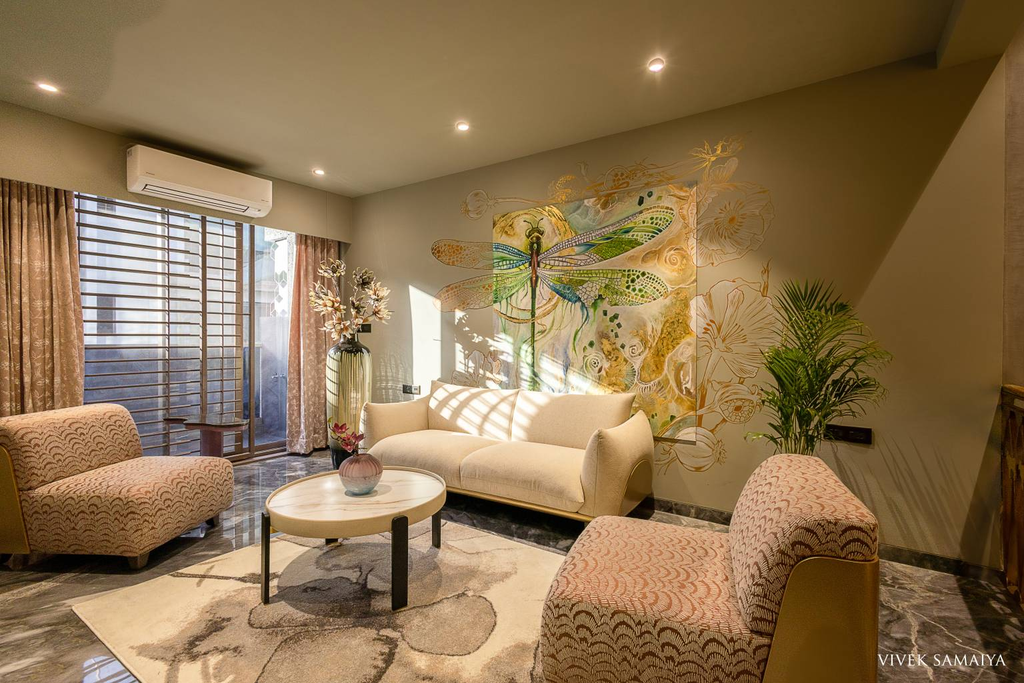
1. Declutter Every Room Before the Photoshoot
The first step is to remove unnecessary items from the spaces you want to photograph. Everyday objects such as charging cables, newspapers, plastic bottles, shopping bags, and scattered personal belongings can distract attention from the interior design.
Start with the living room, bedrooms, kitchen, and bathrooms. Clear countertops, organise shelves, and remove objects that do not contribute to the overall appearance of the room.
You do not need to make your home look empty or lifeless. Keep a few carefully selected decorative pieces that add warmth and personality.
For professional interior design photography Indore, a clean and organised space helps highlight furniture, colour combinations, room proportions, and the overall design concept.
2. Clean Surfaces, Windows, and Mirrors
Cleanliness plays an important role in interior photography because cameras can reveal details that people may overlook in person. Dust, fingerprints, watermarks, and smudges can become more visible in photographs, especially when light falls directly on reflective surfaces.
Before the shoot, clean glass doors, windows, mirrors, kitchen counters, dining tables, and bathroom fixtures. Wipe furniture surfaces and remove dust from decorative objects.
Pay special attention to windows because clean glass allows natural light to enter the room more clearly. Mirrors should also be spotless, as they can reflect both the room and any visible imperfections.
These simple preparations help create polished photographs without requiring major changes to your home’s design.
3. Make the Most of Natural Light
Lighting can change the entire appearance of a room. Natural daylight often creates a welcoming atmosphere and helps reveal the colours, textures, and finishes used in the interior.
Open curtains and blinds before the photographer arrives. Remove objects blocking windows where possible, and keep window areas clean and organised.
The best time for a photoshoot depends on the direction of the windows, the weather, and the room’s layout. Some rooms look better in the morning, while others receive softer light later in the day.
Avoid turning on every light without checking how it affects the space. Different bulb colours can create unwanted colour differences in photographs. Your photographer can decide whether natural light, artificial lighting, or a combination of both will work best.
4. Arrange Furniture to Improve Room Flow
Furniture placement affects how spacious, comfortable, and functional a room appears in photographs. Even a well-designed room can look crowded when furniture blocks important views or makes movement difficult.
Move chairs slightly away from walkways, straighten sofas, align dining chairs, and arrange cushions neatly. Ensure that doors, windows, and important architectural features remain visible.
In smaller rooms, removing one unnecessary chair or side table may improve the composition. In larger spaces, thoughtful furniture placement can help define separate areas without making the room feel disconnected.
For real estate photography in Indore, clear furniture arrangements are particularly useful because they help potential buyers understand the room’s layout and imagine how they might use the space.
5. Add Simple Decorative Touches
A well-prepared home should look inviting rather than overly styled. A few thoughtful decorative elements can make a room feel complete while keeping the focus on its design.
Consider adding fresh flowers, neatly arranged cushions, a folded throw, a simple centrepiece, or a few coordinated books. In bedrooms, smooth the bedsheets and arrange pillows evenly. In kitchens, keep only a small number of attractive and relevant items on the counter.
Avoid adding too many decorations or introducing colours that clash with the existing interior.
The goal is to complement the design, not hide it. During architectural photography in Indore, carefully chosen styling details can help communicate the intended atmosphere of a space while allowing its structure and materials to remain the main focus.
6. Prepare Kitchens and Bathrooms Carefully
Kitchens and bathrooms require extra attention because these rooms contain many small objects and reflective surfaces.
In the kitchen, remove dishwashing supplies, food packets, unused appliances, and cleaning cloths from the visible areas. Arrange kitchen accessories neatly and make sure cabinet fronts and appliance surfaces are clean.
In bathrooms, put away toothbrushes, toiletries, laundry baskets, and personal care products. Close toilet lids, replace damp towels with fresh ones, and clean mirrors, taps, and shower screens.
Check that kitchen drawers and cabinet doors are aligned and that bathroom accessories are positioned neatly.
These preparations make the photographs look cleaner and help showcase the quality of the fittings, storage solutions, countertops, tiles, and finishes.
7. Highlight Architectural Features and Design Details
Every property has features that contribute to its identity. These may include a staircase, decorative ceiling, large windows, textured walls, wooden flooring, custom cabinetry, lighting fixtures, or a distinctive entrance.
Before the photoshoot, identify the features you want the photographs to highlight. Remove objects that obstruct them and ensure that these areas are clean and accessible.
If your home includes artwork, statement furniture, or custom-designed elements, tell the photographer which features are especially important to you.
Professional architectural photography Indore focuses on presenting the relationship between structure, space, light, and materials. Preparing these features beforehand helps the photographer create images that communicate the design more clearly.
8. Coordinate With Your Interior Photographer
Even the best preparation benefits from good communication. Before the shoot, discuss the purpose of the photographs, the rooms that need coverage, and any particular features you want to showcase.
For example, photographs intended for an interior designer’s portfolio may focus on materials, furniture, lighting, and design details. Images for a property listing may place greater emphasis on room size, layout, natural light, and functionality.
If you are arranging photography office interior design in Indore, prepare workstations, meeting rooms, reception areas, and shared spaces in advance. Hide loose cables, organise documents, remove personal items, and make sure the office looks active but orderly.
Vivek Samaiya can be considered when planning professional interior and property photography. Sharing your requirements in advance helps establish priorities and ensures the shoot focuses on the spaces and details that matter most.
Why Home Preparation Matters for Interior Photography
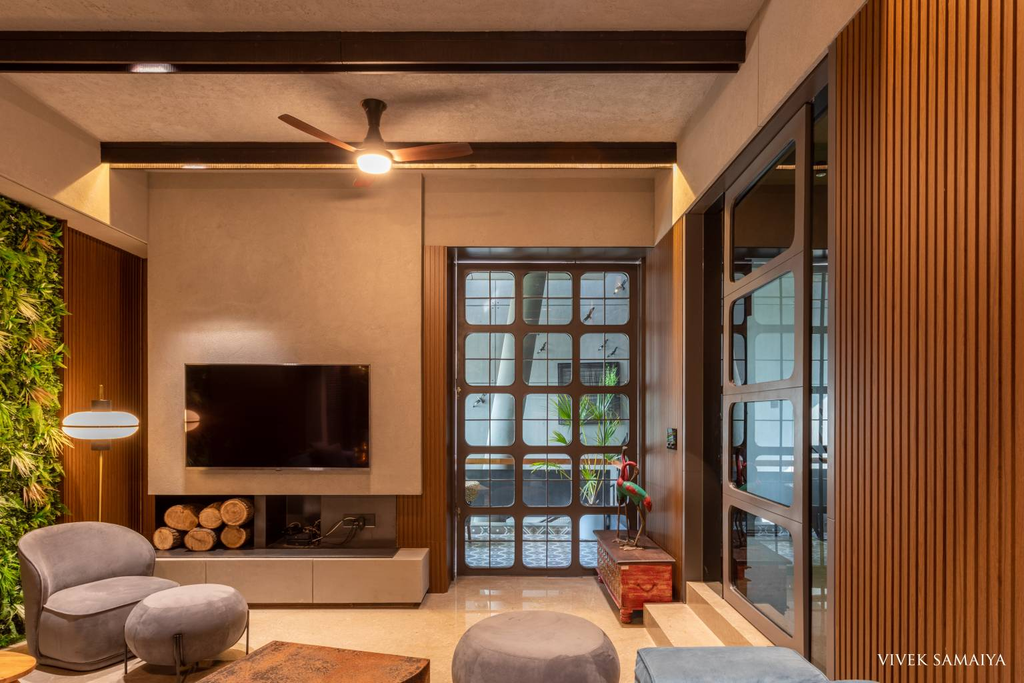
Preparing your home before a photoshoot is not about making it look unrealistic. It is about presenting the space in its best possible condition while preserving its character.
A clean room allows design details to stand out. Well-arranged furniture makes the layout easier to understand. Balanced lighting helps reveal textures and colours, while simple styling creates a welcoming atmosphere.
These improvements are valuable for homeowners, interior designers, architects, property owners, and real estate professionals who need clear, attractive images of their spaces.
When preparation and professional photography work together, the resulting images can communicate the quality and personality of an interior more effectively.
Frequently Asked Questions
1. How should I prepare my home for an interior photoshoot?
Start by decluttering, cleaning windows and surfaces, arranging furniture, organising kitchens and bathrooms, and opening curtains to allow natural light into the rooms.
2. What is the best time for interior photography?
The best time depends on window direction, daylight, weather, and the room’s layout. Your photographer can recommend a suitable time after understanding the property.
3. Should I remove all decorations before interior photography?
No. Keep a few decorations that complement the design, such as flowers, cushions, artwork, or books. Remove unnecessary items that make the room look crowded.
4. Why is professional interior design photography important?
Professional photography helps showcase a property’s layout, finishes, lighting, furniture, and architectural features. It can be useful for interior design portfolios, property listings, and commercial spaces.
5. What is the difference between interior and architectural photography?
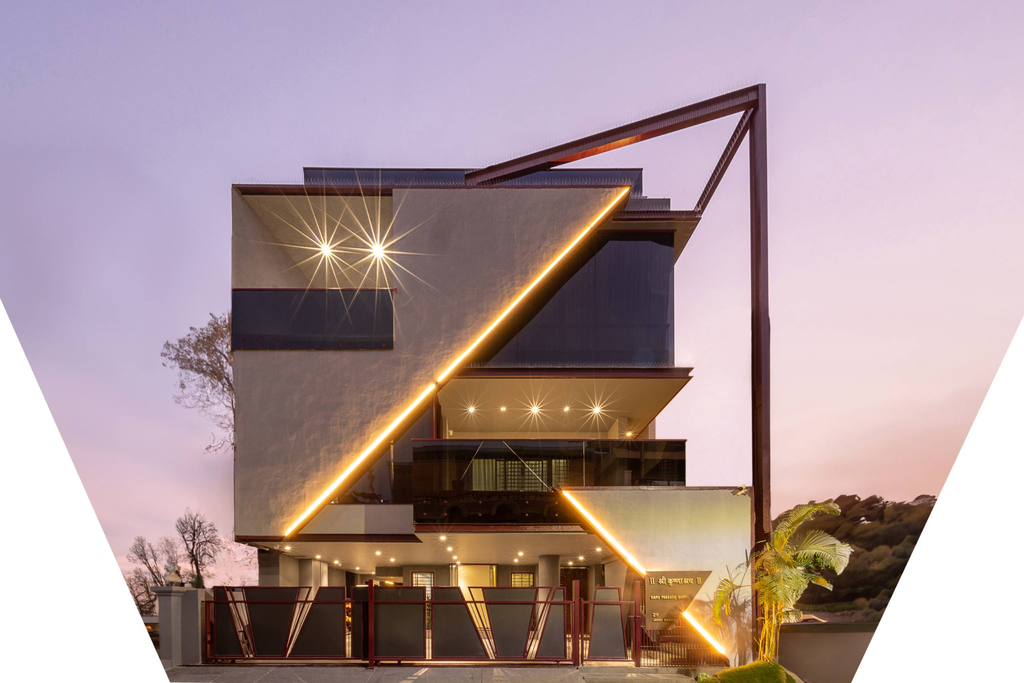
Interior photography generally focuses on rooms, furnishings, finishes, and styling. Architectural photography places greater emphasis on the building’s structure, geometry, materials, and relationship with its surroundings, although the two often overlap.
6. Can interior photography help sell a property?
Well-prepared, high-quality photographs can present a property more clearly and attractively to potential buyers or tenants. They help viewers understand the available space and its features before arranging a visit.
7. What should I prepare for office interior photography in Indore?
Organise desks, hide loose cables, clean glass partitions, arrange meeting rooms, remove unnecessary documents, and make sure reception areas and workspaces are ready to photograph.